Kinfolds
Family and Relationships

Holiday Custody Without the Fight
Holidays have a special talent for turning small co-parenting friction into full-blown conflict. The stakes feel higher, everyone has traditions, and children can sense the tension the way they can sense a secret cookie stash. The good news is that holiday custody does not have to be a yearly...
Read more →
Family Mediation vs. Divorce Litigation
When a marriage or partnership ends, most families do not just grieve the relationship. They also have to make dozens of practical decisions with real consequences: money, housing, parenting time, holidays, extended family boundaries, and how to communicate going forward. The question is not only...
Read more →
Introducing a New Partner to Extended Family
Introducing a new partner to your extended family can feel like hosting a small diplomatic summit with snacks. There is love, history, opinions, and at least one person who still brings up your “phase” from 2009. The goal is not to create a flawless first impression. The goal is to create a safe,...
Read more →
Different Parenting Styles, Same Team
If you and your partner parent differently, you are not doing it wrong. You are doing what humans do. Two nervous systems, two upbringings, two sets of instincts, and one shared goal: raising a child who feels safe and learns how to live in the world. The trouble starts when difference turns into...
Read more →
Supporting a Spouse With Depression
When your spouse is depressed, it can feel like the person you know best is suddenly living behind glass. You can see them, you can love them, but you cannot simply talk them back into themselves. If you have caught yourself thinking, “If I just say the right thing, they will snap out of it,” you...
Read more →
Rebuilding Trust After a Small Betrayal
“It wasn’t that bad” is often what couples tell me right before the ground starts to shift under their relationship. A small betrayal is rarely headline material. It is the dinner you promised to be home for, and you weren’t. The spending you hid because you did not want the conversation. The way...
Read more →
How to Co-Parent When You Disagree on Discipline
Discipline is where co-parenting can feel the most personal and the most combustible. One parent thinks a strict bedtime is non-negotiable. The other believes kids need flexibility. One reaches for consequences quickly. The other wants to talk it through. And suddenly you are not just disagreeing...
Read more →
Supporting a Parent Who Refuses Help
There is a particular kind of heartbreak that comes from watching a parent struggle while insisting, with total conviction, “I’m fine.” You can see the unpaid bills, the unexplained bruises, the expired food, the wobble on the stairs. They can see your face tightening with worry. And suddenly you...
Read more →
How to Help a Teen Open Up Without Pressuring Them
Teen silence can feel personal, especially when you are doing your best and getting a shrug in return. As a former family therapist and current parent of two teens, I can tell you this: shutting down is often a protective move, not a rejection of you. Many teens want connection, but they also want...
Read more →
Fair Ground Rules for Visiting Relatives
Hosting family is one of those tender, high-stakes activities that can make you feel like you are running a small hotel where the reviews are written by people who changed your diapers or married your spouse. Love is real. So is stress. The good news is this: “ground rules” do not have to sound...
Read more →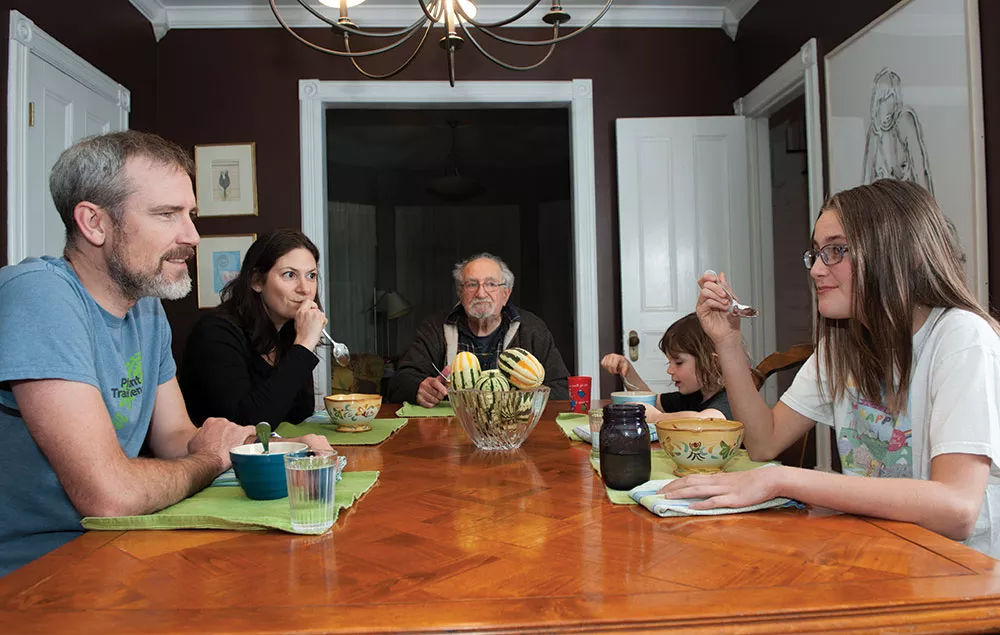
How to Introduce House Rules to a Blended Family
Blended families do not struggle because anyone is “bad at rules.” They struggle because everyone walks in with a full set of invisible norms: bedtime, phone use, snack freedom, tone of voice, what counts as respectful, and what happens when someone breaks trust. Then one day, a parent says, “New...
Read more →
How to Ask for More Emotional Support From Your Partner
In my experience as a therapist, many couples did not unravel because they stopped loving each other. They often unraveled because one person kept thinking, I am carrying this alone , and the other kept thinking, Whatever I do is never enough . If that sounds familiar, you are not failing. You are...
Read more →
Family Therapy vs. Couples Counseling
If you are reading this, chances are something in your home life feels strained. Maybe it is you and your partner looping through the same argument. Maybe it is your teen shutting down, your co-parent relationship turning icy, or your adult sibling calling you “dramatic” when you ask for help with...
Read more →
House Rules With Teenagers Without Power Struggles
Teenagers have an almost supernatural ability to turn a simple request like “please put your dish in the dishwasher” into a full debate with opening statements, cross-examination, and a surprise witness. If you are thinking, Why does everything become a power struggle? you are not failing. You are...
Read more →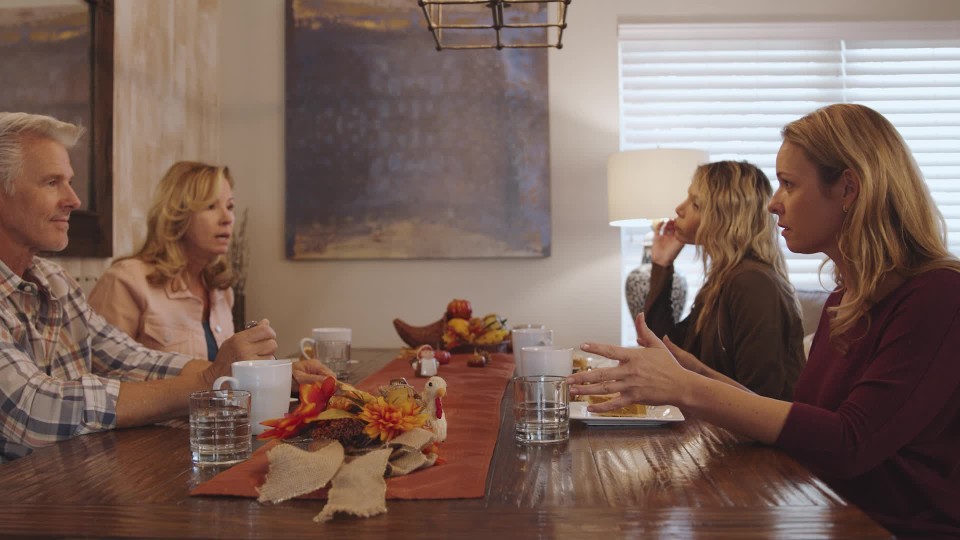
7 Signs Your Family Is in a High-Conflict Season
Most families argue sometimes. That is not a moral failure; it is a sign you are alive and sharing a kitchen. But there is a particular kind of stretch that feels different. The tone in the house changes. The same fights keep reappearing like an unwanted pop-up ad. People start bracing for impact...
Read more →
Co-Parenting With a Difficult Ex: Keep Communication Calm
Co-parenting with a difficult ex can feel like trying to do a three-legged race with someone who keeps changing directions. You might be doing your absolute best to stay child-focused while the other person seems committed to revisiting every old argument, every slight, every “gotcha.” The goal...
Read more →
7 Signs Your Relationship Is Under Caregiver Stress
Caregiving has a way of moving into your home without ever unpacking a suitcase. One day you are a couple with routines, inside jokes, and shared plans. The next, you are also managing medications, appointments, finances, siblings, insurance calls, or late-night worry spirals. Even when both...
Read more →
Boundaries With an Adult Child Who Oversteps
There is a specific kind of emotional whiplash that happens when your child is grown, but you are still finding their shoes in the middle of the hallway. You love them. You want them to be okay. You also want to stop living like you are the only adult in the house. Whether your adult child lives...
Read more →
Co-Parenting Without Constant Arguments
High-conflict divorce has a way of turning normal parenting logistics into emotional landmines. A five-minute schedule question becomes a 45-minute text war. A forgotten sweatshirt becomes “proof” of bad intentions. And somehow the kids can feel the weather shift before you even hit send. The goal...
Read more →
7 Signs Your Relationship Is Drifting Apart and How to Reconnect
Most relationships do not fall apart in one dramatic argument. They thin out slowly, like a favorite sweatshirt that gets softer and a little more threadbare with every wash. One day you look up and think, Wait, where did we go? As a former family therapist and a longtime member of the sandwich...
Read more →